
How Is Moldavite Formed? Unlocking the Mystery of Nature’s Extraterrestrial Glass

Moldavite is one of the most fascinating and mysterious gemstones found on Earth. With its deep green color, glassy texture, and cosmic origin, it has captured the attention of scientists, collectors, and spiritual enthusiasts alike. Unlike traditional gemstones that form deep within the Earth’s crust, moldavite has a far more dramatic and explosive origin one that connects our planet to outer space.
In this article, we’ll explore the science, history, and unique characteristics of moldavite, answering the question many people ask: what makes this gemstone so special? As we dive deeper into the introduction, it’s important to understand exactly how is moldavite formed, because its origin is what truly sets it apart from any other natural glass or mineral on Earth.

The Cosmic Origin of Moldavite
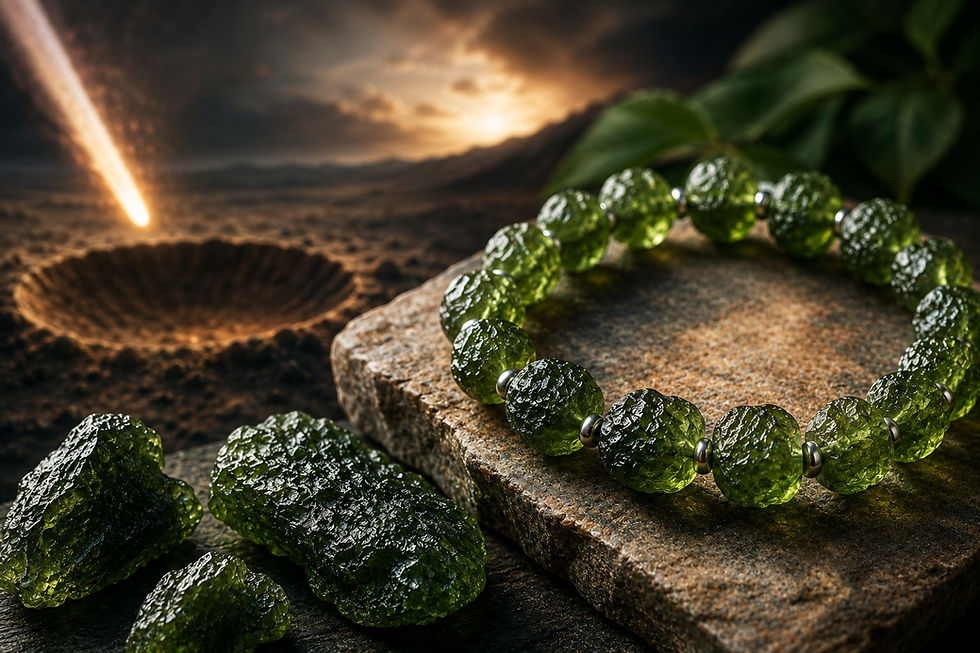
Moldavite belongs to a rare group of natural glasses known as tektites. These are formed when meteorites strike the Earth with immense force, causing surrounding rocks and materials to melt and eject into the atmosphere. As this molten material cools rapidly while falling back to Earth, it solidifies into glass-like structures.
Moldavite specifically originated around 15 million years ago during a massive meteorite impact in what is now southern Germany. This event created the Nördlinger Ries crater, and the intense heat and pressure from the impact melted terrestrial rocks, launching them hundreds of kilometers away primarily into the region of the Czech Republic.
The Formation Process Explained
Understanding the formation of moldavite requires breaking down a series of extraordinary geological events:
1. Meteorite Impact
A large meteorite traveling at high speed collided with Earth, releasing energy equivalent to millions of nuclear bombs. This impact generated extreme temperatures exceeding 20,000°C.
2. Melting of Earth Materials
The intense heat instantly melted surrounding rocks, soil, and minerals. This molten mixture was blasted into the atmosphere.
3. Atmospheric Flight
As the molten material traveled through the air, it cooled rapidly. During this phase, it began to take on unique shapes and textures due to air resistance and rotation.
4. Rapid Cooling and Solidification
Once the molten droplets cooled completely, they solidified into natural glass. This process created the distinct appearance of moldavite often featuring bubbles, ridges, and intricate surface patterns.
Why Moldavite Is So Unique
Moldavite stands out among gemstones for several reasons:
Extraterrestrial Connection: It is directly linked to a meteorite impact, giving it a cosmic origin.
Distinct Appearance: Its translucent green color and etched surface make it instantly recognizable.
Limited Availability: Moldavite is found only in specific regions, making it rare and valuable.
Natural Glass Structure: Unlike crystals, moldavite lacks a defined crystal lattice, which contributes to its unique physical properties.
Chemical Composition and Physical Properties
Moldavite is primarily composed of silicon dioxide (SiO₂), similar to quartz, but it also contains trace elements such as aluminum, iron, and magnesium. Its composition reflects a mixture of terrestrial and extraterrestrial influences.
Key Properties:
Color: Olive green to dark green
Texture: Glassy and often rough
Hardness: Around 5.5 on the Mohs scale
Transparency: Translucent to semi-transparent
These characteristics make moldavite both scientifically intriguing and aesthetically appealing.
Where Is Moldavite Found?
The majority of moldavite deposits are located in the Czech Republic, particularly in regions like South Bohemia and Moravia. These areas lie within the distribution zone of debris from the original meteorite impact.
Because of its limited geographic origin, authentic moldavite is relatively rare. This scarcity has increased its demand in global markets, especially among collectors and gemstone enthusiasts.
Spiritual and Metaphysical Significance
Beyond its scientific importance, moldavite is often associated with spiritual transformation and energy healing. Many believe it carries high vibrational energy due to its extraterrestrial origin.
Common Beliefs:
Enhances spiritual growth
Promotes emotional healing
Aids in meditation and intuition
Facilitates personal transformation
While these claims are not scientifically proven, they contribute to moldavite’s popularity in holistic and metaphysical communities.
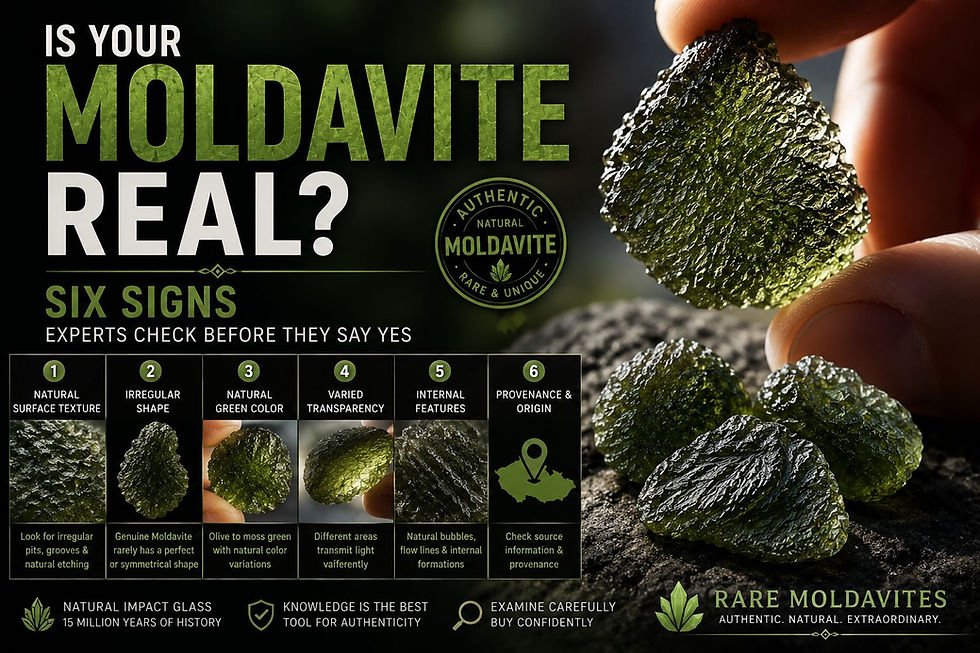
How to Identify Genuine Moldavite
Due to its growing popularity, the market has seen an increase in fake moldavite. Here are some tips to ensure authenticity:
Check Texture: Genuine moldavite has natural etching and irregular patterns.
Look for Bubbles: Small air bubbles are common in real specimens.
Color Consistency: Authentic moldavite has a natural green hue, not overly bright or artificial.
Source Verification: Buy from reputable sellers with verified origins.
The Growing Demand for Moldavite
In recent years, moldavite has gained significant attention due to social media trends and increased interest in spiritual wellness. This surge in popularity has led to higher prices and limited availability.
Collectors and investors are now viewing moldavite as not just a gemstone but also a valuable asset. Its rarity, combined with its unique origin, makes it a standout choice in the gemstone market.
FAQs
1. How is moldavite formed?
Moldavite is formed through an extraordinary natural process triggered by a meteorite impact around 15 million years ago. When a large meteorite struck the Earth’s surface, it generated extreme heat and pressure, instantly melting surrounding rocks and soil. This molten material was blasted high into the atmosphere, where it rapidly cooled and solidified while falling back to Earth. This quick cooling process created moldavite, a rare natural glass with unique textures, bubbles, and a distinctive green color that reflects its cosmic origin.
2. Is moldavite a crystal or a glass?
Moldavite is classified as a natural glass rather than a crystal because it does not have a defined crystalline structure. Crystals typically form through slow cooling processes that allow atoms to arrange in repeating patterns. In contrast, moldavite forms so rapidly during a meteorite impact that atoms do not have time to organize into a crystal lattice. This results in an amorphous structure, giving moldavite its smooth yet irregular texture, glassy appearance, and unique physical properties that distinguish it from traditional gemstones.
3. Why is moldavite so rare?
Moldavite is considered extremely rare because it was created from a single meteorite impact event that occurred millions of years ago. Unlike other minerals that continue to form through geological processes, moldavite cannot be reproduced naturally today. Additionally, it is only found in specific regions of the Czech Republic where the impact debris landed. Over time, mining has reduced available deposits, increasing its scarcity. This limited supply combined with high demand among collectors and enthusiasts makes moldavite one of the most sought-after natural glasses.
4. Can moldavite be man-made?
While it is possible to create glass artificially in laboratories, genuine moldavite cannot be replicated due to its unique formation conditions. The extreme heat, pressure, and rapid atmospheric cooling caused by a meteorite impact are nearly impossible to reproduce authentically. Some imitations exist in the market, often made from colored glass, but they lack the natural features of real moldavite, such as internal bubbles, irregular shapes, and surface etching. True moldavite remains a product of a rare cosmic event that cannot be duplicated by human processes.
5. What is moldavite used for?
Moldavite is widely used for various purposes, including jewelry, collecting, and spiritual practices. Its unique green color and natural texture make it highly desirable for rings, pendants, and other accessories. Collectors value moldavite for its rarity and extraterrestrial origin, often considering it an investment piece. In metaphysical communities, moldavite is believed to possess transformative energy that supports meditation, emotional healing, and personal growth. Its combination of scientific significance and spiritual appeal makes it a versatile and highly valued gemstone.
6. How can I tell if moldavite is real?
To determine if moldavite is genuine, it is important to examine its physical characteristics closely. Real moldavite typically has a natural, uneven texture with intricate surface patterns formed during rapid cooling. It often contains small air bubbles and inclusions that are difficult to replicate artificially. The color should appear natural usually olive green to dark green rather than overly bright or uniform. Purchasing from reputable and trusted sellers is essential, as the market contains many imitations made from regular glass that lack the authenticity of true moldavite.
Final Thoughts
Moldavite is more than just a gemstone it’s a piece of cosmic history. Its formation tells a story of a powerful meteorite impact that forever changed the Earth’s geological landscape. From its unique appearance to its rare origin, moldavite continues to intrigue scientists and enthusiasts alike.
Whether you are drawn to its scientific significance or its spiritual appeal, understanding its origin helps you appreciate its true value. If you’re looking to explore or purchase authentic pieces, always choose trusted sources like Rare Moldavites for quality and authenticity.

Comments